INSULATION
Trap still air
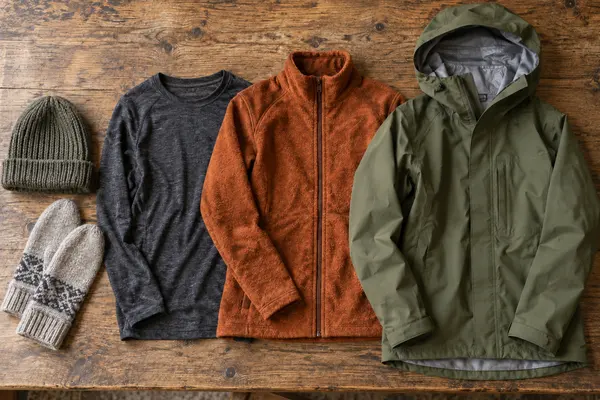
Fibres and fill work by holding air still. Several loose layers trap more of it than one tight one.
How warmth is measured doodlejacket
HOW WARMTH WORKS
A jacket does not make heat. It keeps yours.

LAYERS keep air still
feels like −19°F 0°F air with a 15 mph wind
Your body warms a thin layer of air next to the skin. A good jacket holds that air still, keeps the wind from stripping it away and keeps water from soaking through. Here is how that works, in plain English.
Plain English, with the sources linked.
THE SHORT ANSWER
Three jobs, and every jacket
does them in its own way.
INSULATION
Fibres and fill work by holding air still. Several loose layers trap more of it than one tight one.
How warmth is measuredWIND
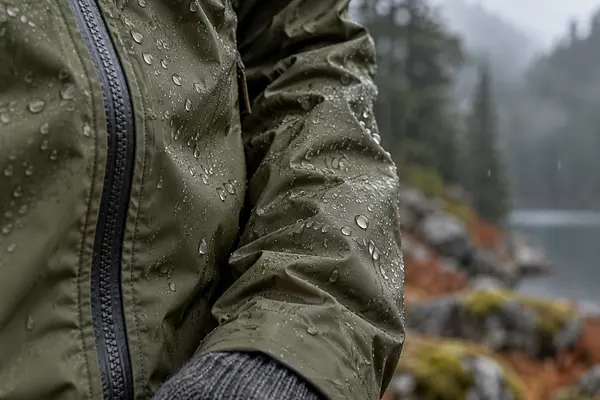
Wind strips away the warm air next to your skin. A tightly woven outer layer keeps it in place.
See wind chill in numbersWATER
Water carries heat away far faster than air, so a soaked layer stops insulating well.
Check the weatherA QUICK WEATHER CHECK
Pick the weather outside. The bar shows how much the outer shell matters compared with the warm layers underneath, based on how forecasters describe heat loss.
A rough guide, not a safety rating. In severe cold, follow your national weather service's advice.
DRESS FOR IT
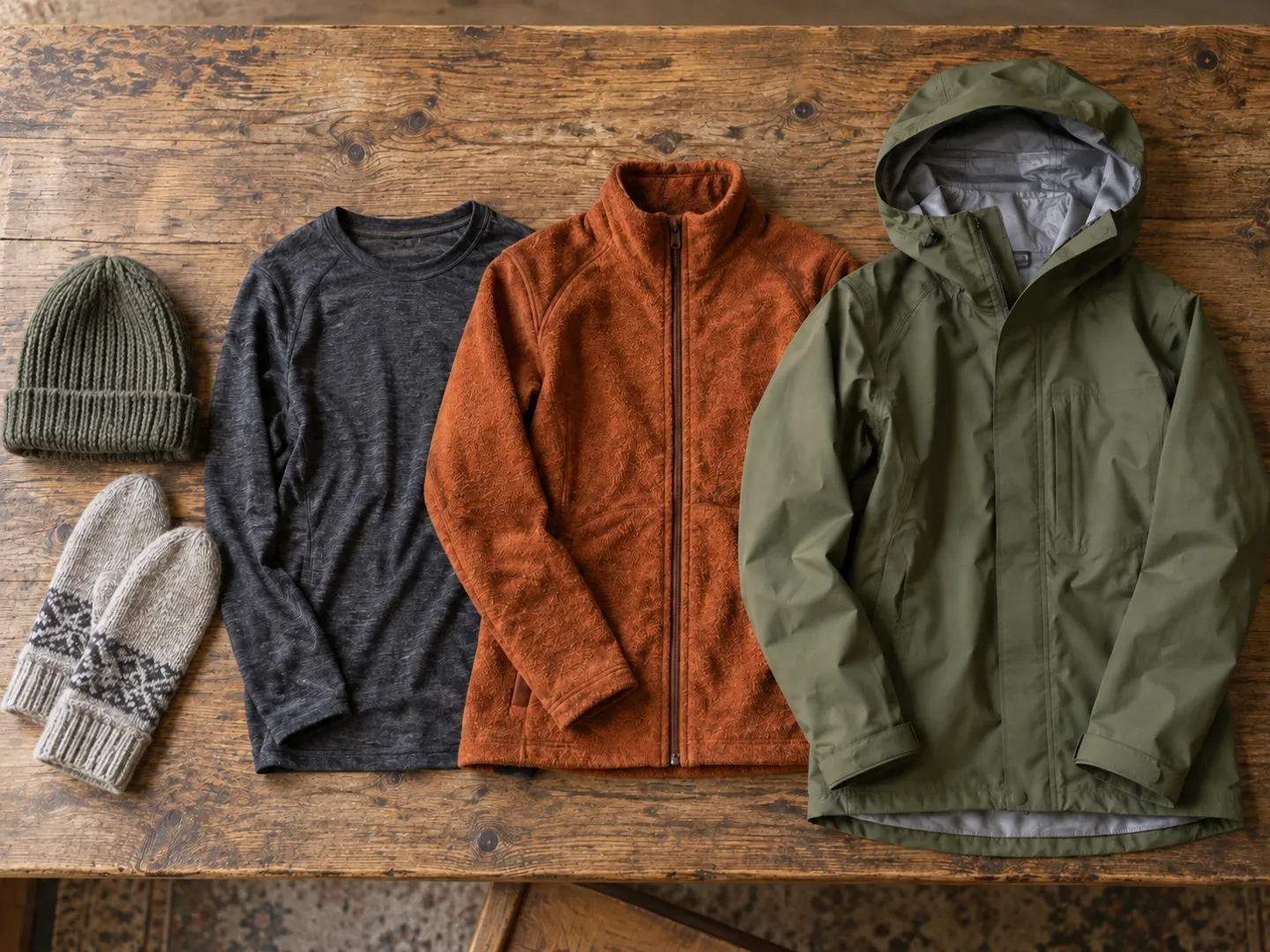
Several light, loose layers trap more still air than one tight, heavy one, and you can take one off before you overheat.
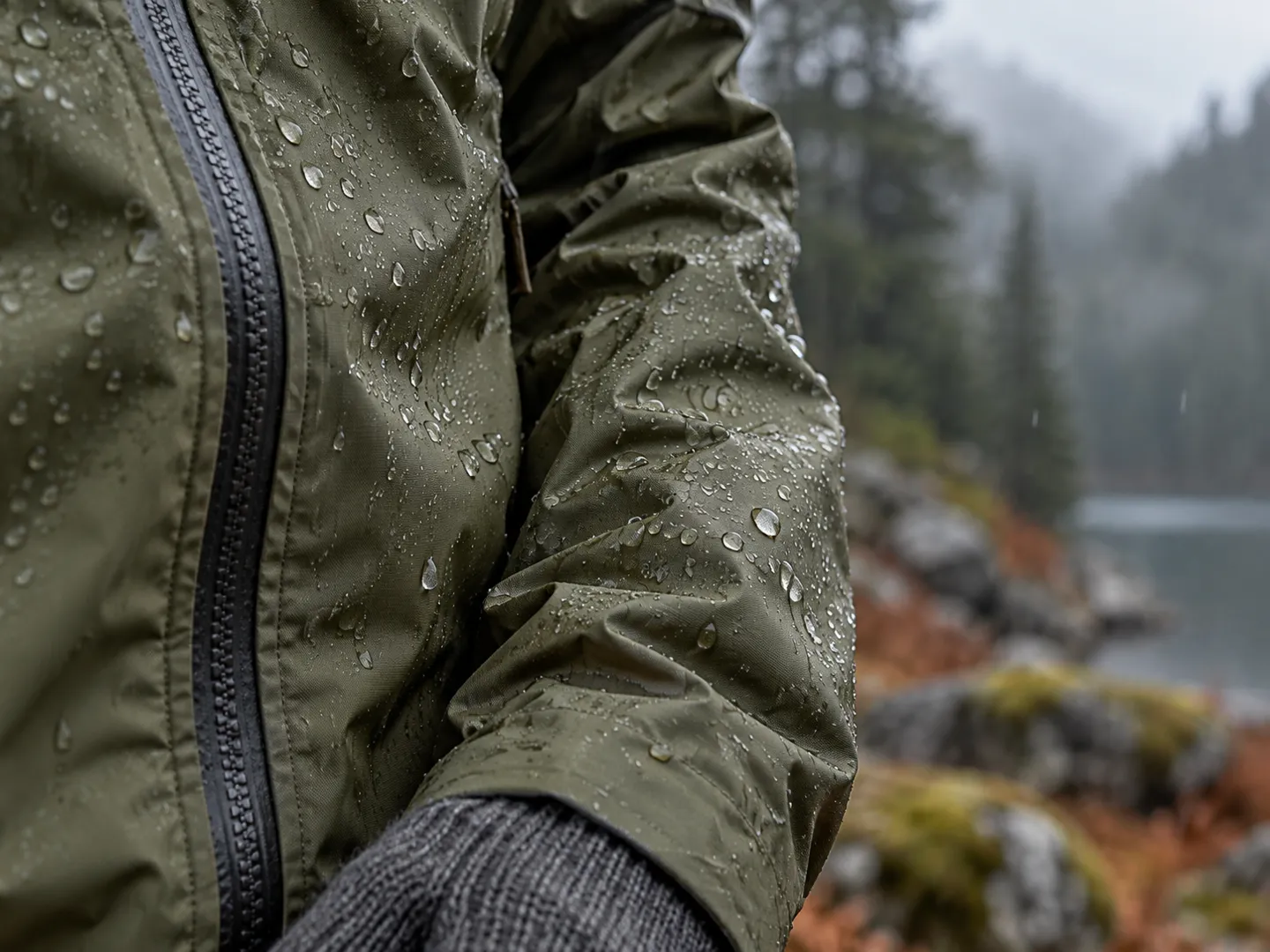
Make the outer layer tightly woven, water-repellent and hooded, as forecasters advise, so wind and rain stay outside.
Wear a hat, and choose mittens snug at the wrist: the National Weather Service rates them better than gloves in the cold.
Dress for the feels-like temperature in the forecast, not just the air temperature. On a windy day the two can be several degrees apart.
TWO NUMBERS WORTH KNOWING
The air temperature is only
part of the story.
feels like −19°F
0°F air with a 15 mph wind
In the National Weather Service's own example (about −18°C feeling like −28°C), exposed skin can freeze in 30 minutes. Its wind chill index has been in use since 1 November 2001.
WIND CHILL · US NATIONAL WEATHER SERVICE
up to 26×
Heat loss to water, compared with air
Water conducts body heat away up to 26 times faster than air of the same temperature. It is the main reason a soaked layer feels so much colder than a dry one.
WET VERSUS DRY · US NATIONAL WEATHER SERVICE
Neither number needs a special jacket to understand. They explain why forecasters keep giving the same advice: stay dry and out of the wind.
JACKET FACTS
The US National Weather Service advises loose-fitting, lightweight layers because the air trapped between them insulates you. The fabric mostly holds that air in place.
The Met Office works out UK wind chill from the heat lost by a bare face at a walking speed of 3 mph, using the wind at about 5 feet, roughly human height.
Clothing insulation is measured in clo. ASHRAE puts 1 clo at about 0.155 m²·°C/W, roughly what typical winter indoor clothing provides.
A 2016 University of Plymouth study estimated that an average 6 kg wash released 728,789 fibres from acrylic fabric, 496,030 from polyester and 137,951 from a polyester-cotton blend.
In September 2024 the European Commission restricted PFHxA, one group of PFAS chemicals, in consumer textiles such as rain jackets, with transition periods of 18 months to 5 years depending on the use.
QUICK QUESTIONS
Short answers to the questions people ask most.
On a calm day your body keeps a thin layer of warmed air next to the skin. The Met Office explains that wind takes that boundary layer away, so skin temperature drops and you feel colder than the thermometer says.
The US National Weather Service advises several loose-fitting, lightweight, warm layers, because the air trapped between them insulates you, with a tightly woven, water-repellent, hooded layer on the outside.
Water conducts body heat away much faster than air. The National Weather Service puts it at up to 26 times faster than air of the same temperature, which is why staying dry matters as much as adding layers.
The clo is a unit for the insulation that clothing provides. ASHRAE describes 1 clo as roughly typical winter indoor clothing, equal to about 0.155 square metre degrees Celsius per watt.
Synthetic fabrics do shed fibres. A 2016 University of Plymouth study estimated that an average 6 kg wash could release over 700,000 fibres from acrylic fabric and about 496,000 from polyester.
Updated
A NAME WITH A WARM FIT
doodlejacket.com is part of the DoodleSale portfolio. It isn't in an auction right now, but you can ask about leasing it.